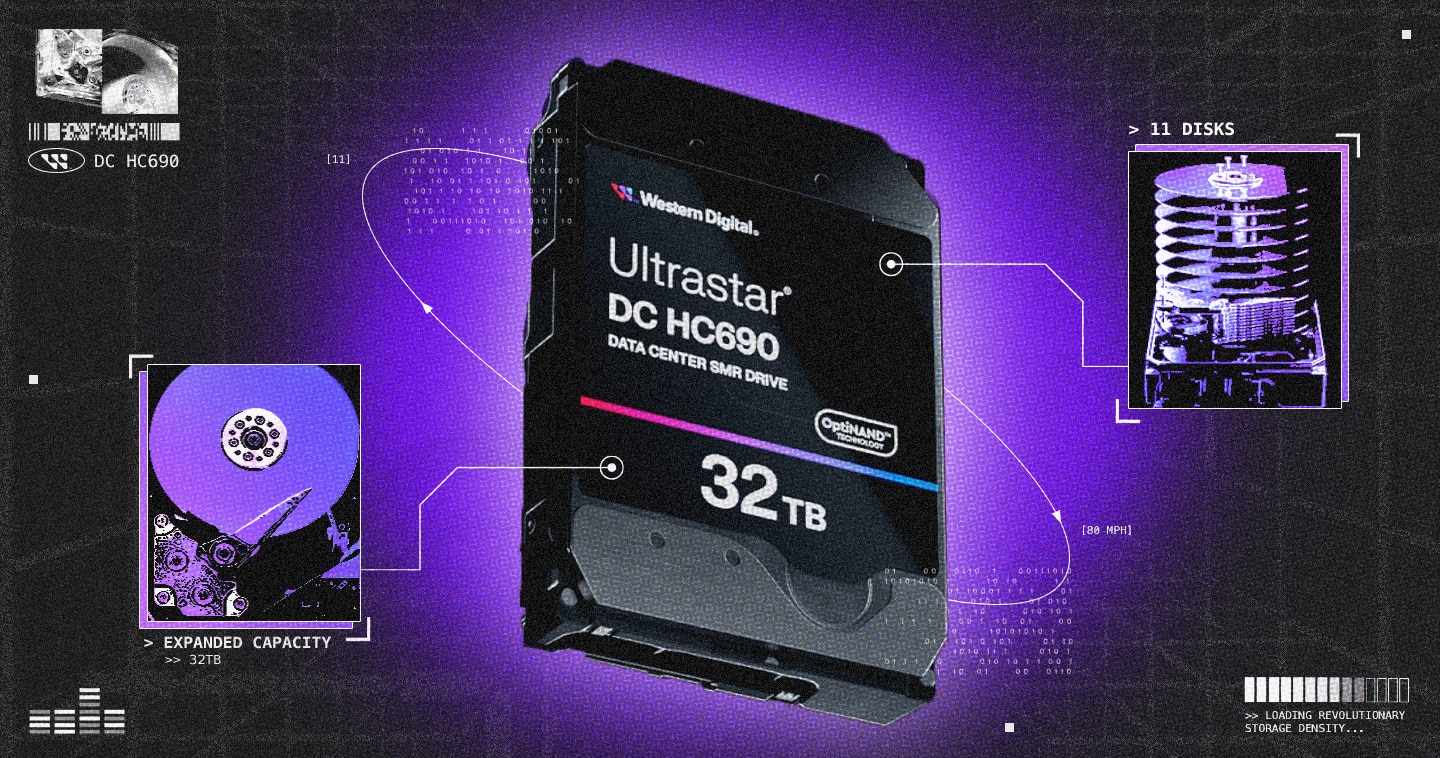

20% more capacity, same infrastructure
Executive summary
As data growth continues to accelerate, UltraSMR can help organizations get more capacity without expanding infrastructure. UltraSMR enables approximately 20% more storage capacity within the same physical footprint, helping improve storage density and total cost of ownership (TCO) without adding drives, racks, power, or floor space. Powered by innovations such as Distributed Sectors (DSEC) and Soft Decoded Track ECC (STECC), UltraSMR supports a broad range of enterprise and cloud workloads while providing a practical, predictable path for long-term storage growth.
Key takeaways
- Store ~20% more data using existing infrastructure.
- Improve total cost of ownership through higher capacity per drive, even at comparable cost per terabyte.
- Leverage Distributed Sectors (DSEC) and Soft Decoded Track ECC (STECC) innovations to extend areal density.
- Support a broad range of HDD workloads, not only cold or archival storage.
Introduction
Organizations managing AI datasets, cloud workloads, backup repositories, and enterprise archives face a common challenge: data growth continues to outpace infrastructure expansion. Adding new racks, power, cooling, and floor space is expensive, time-consuming, and often constrained by data center realities. UltraSMR with shingled magnetic recording technology addresses this challenge by enabling approximately 20% more storage capacity within the same physical footprint. Importantly, these benefits extend across a wide range of HDD-based data center workloads, not solely archival or cold-storage environments.
The growing importance of storage density
Infrastructure planning is increasingly focused on capacity per rack, capacity per watt, total cost of ownership, and areal density. The challenge is no longer simply storing more data; it is doing so efficiently, ideally within existing operational constraints. Higher drive capacities can improve total cost of ownership through better infrastructure utilization, even when storage is acquired at comparable cost per terabyte.
What is shingled magnetic recording (SMR)?
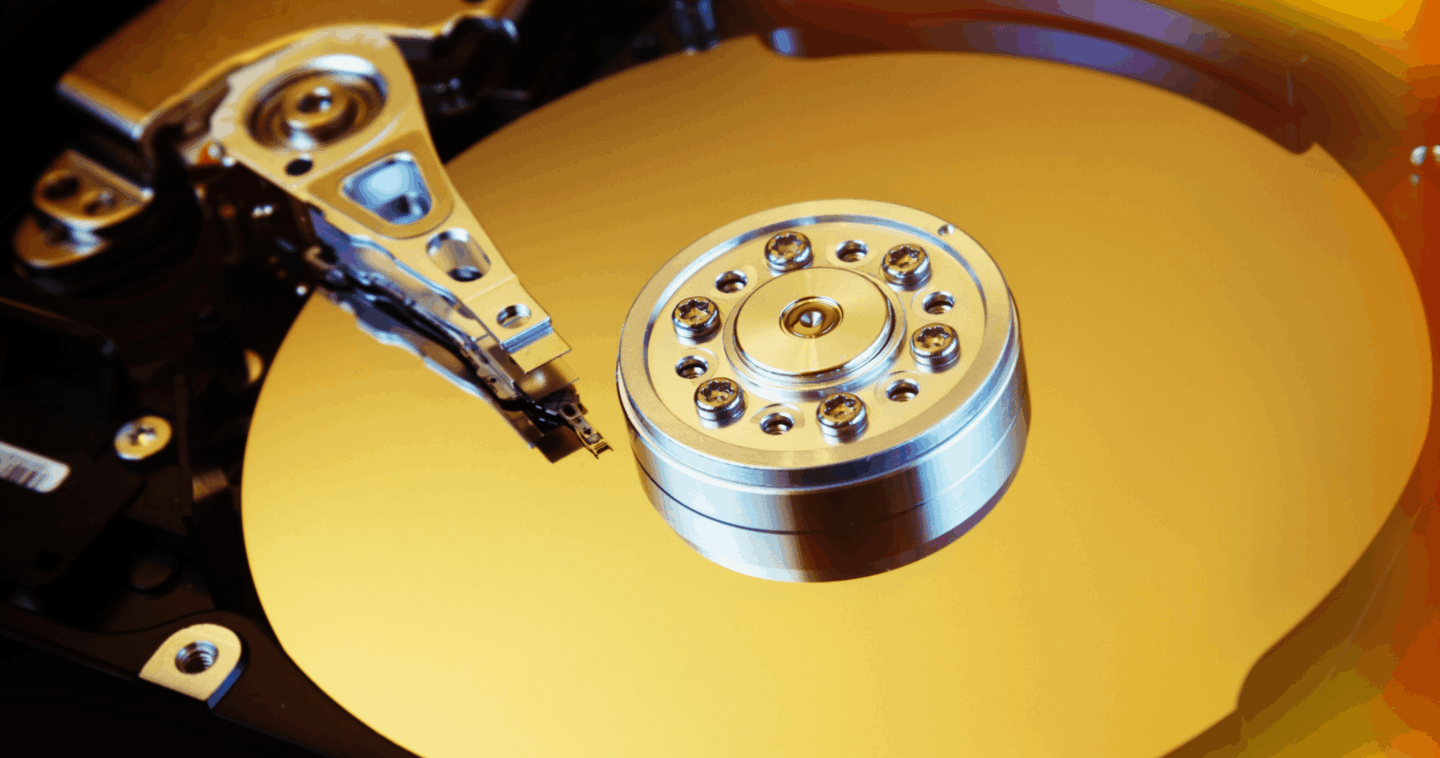
SMR increases storage capacity by partially overlapping adjacent data tracks. Compared to Conventional Magnetic Recording (CMR), SMR enables more tracks on the same disk surface, increasing areal density and overall drive capacity. Modern SMR implementations are designed to support most HDD-based data center workloads, not only cold or archival storage, helping organizations increase storage efficiency without changing existing infrastructure models.
What is TDMR in hard drives?
TDMR uses multiple read signals and advanced algorithms to distinguish intended data from neighboring magnetic interference, enabling reliable reads at higher track densities. Together with other advanced recording technologies, TDMR helps support the density improvements required for modern high-capacity HDDs.
A customer-first approach to capacity growth
WD emphasizes measured technology transitions, enabling customers to adopt higher-density solutions while preserving qualification processes, infrastructure investments, and operational predictability. This approach helps customers deploy UltraSMR across diverse HDD environments and workloads while maintaining existing operational models.
Building a bridge to future storage technologies
UltraSMR helps organizations improve storage efficiency today while preparing for future recording innovations. Benefits include improved capacity-per-rack metrics, greater storage density within existing infrastructure, improved total cost of ownership through better infrastructure utilization, and the ability to delay costly infrastructure expansion.
Looking ahead
For organizations planning multi-year storage roadmaps, UltraSMR delivers a practical path to storing more data within existing infrastructure while maintaining a predictable adoption model. By increasing capacity per drive and improving infrastructure utilization, organizations can realize meaningful TCO benefits, even at comparable cost per terabyte, while supporting continued data growth across a wide variety of enterprise and cloud storage workloads.